

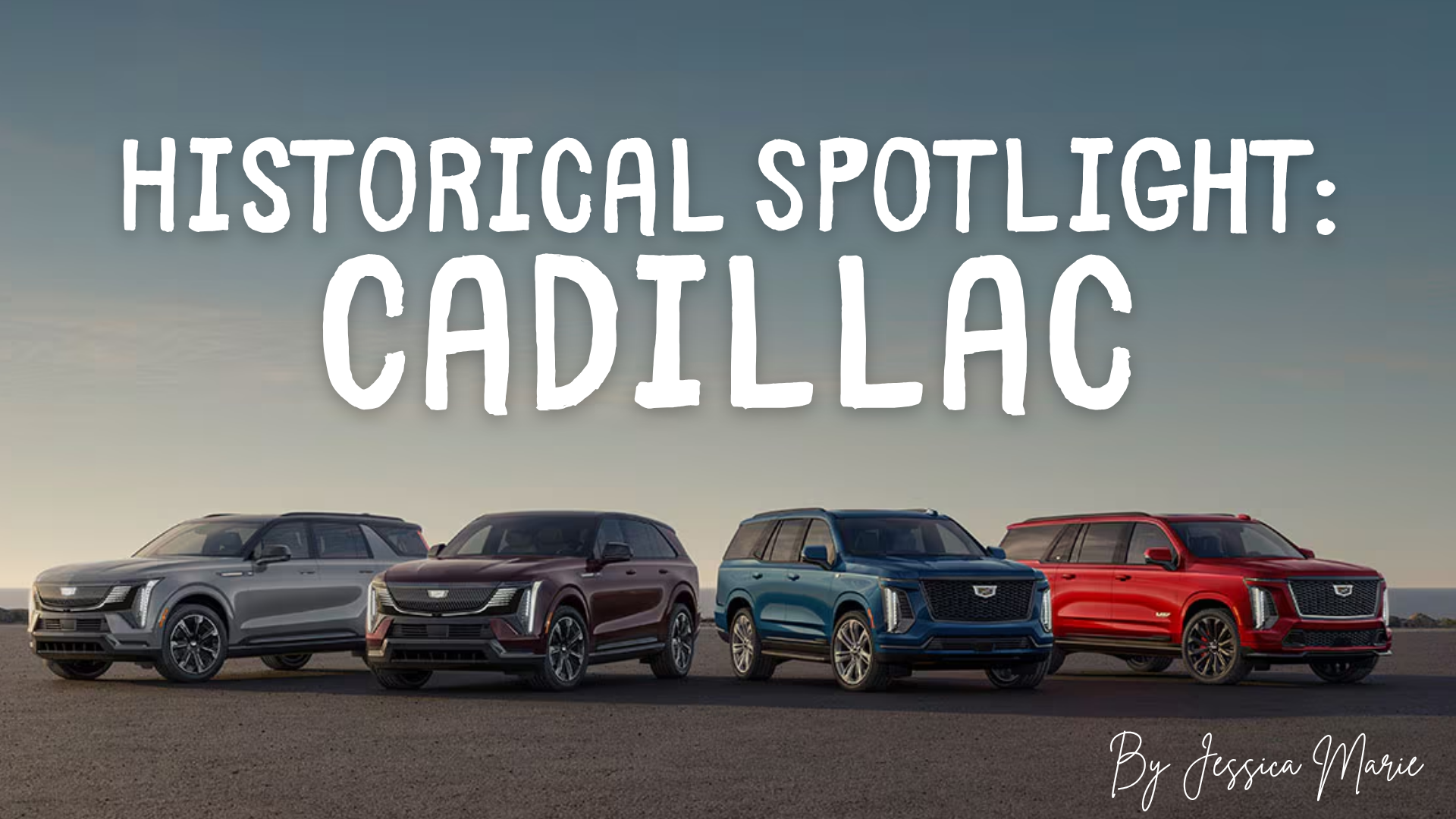

Brand loyalty can either make or break a company. Having a reliable and predictable customer base ensures that organizations are able to plan for the future, introduce new products, and offer additional services. However, sometimes high level executives lose sight of the plot and allow discrimination and high profit expectations to run a business into the ground. Join me as we shine a Historical Spotlight on Cadillac and how Black Americans actually saved it from financial ruin.
From the beginning of time, Black Americans have been an influential demographic that, contrary to popular belief, is intertwined into the very fabric of the United States. Our cultural influences from food to religion to education and more are written all over the country and many groups try to imitate our spirit and flair. Politicians want our votes, businesses want our money, and social activism groups want our tenacity to fight for equality and change.
While we as a group aren’t afraid of picking up the sword, throughout history there have been numerous examples where we’ve been burned and not rewarded for our efforts. The very act of slavery and being forced to clear the land, left us in a huge financial, social, and political hole that still hasn’t been corrected. We’ve built prosperous, Black towns like Oscarville, Linnentown, and Tulsa that have been targeted, sabotaged, and destroyed simply because of hate. Even present day companies like Lululemon have made derogatory remarks and alienated Black American consumers.
General Motors launched Cadillac in 1902 as their luxury vehicle subsidiary. Since segregation and Jim Crow was still in full force, Black people were shut out of purchasing luxurious items and there was a widespread sentiment that anything owned by Black people was automatically less valuable than something owned primarily by white people.
Following the mold of other established car brands, Cadillac had a strict “no sales to Black people” policy. While it was extremely discriminatory much like everything else during that time in history, our ancestors found a way to bypass the red tape by paying a white person to complete the transaction for them.
Since the country was divided based on color lines, many brands completely refused to sell directly to the Black doctors, lawyers, entrepreneurs, and professionals with the financial means to purchase luxury items. However, the Great Depression forced struggling companies to take a harder look at their discriminatory bans and decide if maintaining their “perfect” customer base was worth potentially going under.
Between 1928 and 1933, Cadillac’s annual sales dropped by 84% and struggled to sell more than 6,700 vehicles due to the rampant unemployment and lack of circulating cash. Banks failed and couldn’t offer car loans, so any vehicles being bought were in cash by the few people in society who could afford them. What once was the luxurious pinnacle for GM, Cadillac quickly found itself on the chopping block once times got rough.

In 1934, GM manager Nicholas Dreystadt convinced the company to forgo the discriminatory policy and market directly to Black customers. He noticed that even though Black people couldn’t outright purchase the vehicles, they still regularly brought them into the dealership for maintenance.
Since racism prevented Black Americans from utilizing banks, they still had access to their life savings during a time when many people lost everything held in bank accounts. Once Cadillac removed the no buy ban, sales increased by 70% and grew tenfold by 1940.
Expanding its customer base helped the brand survive the Great Depression and is one of the only reasons why it’s still in existence today. The Black people who were doing relatively well for themselves during one of the roughest economic times in the United States, literally saved Cadillac from bankruptcy.
After getting the boost in sales by being the first manufacturer to sell to Black people, Cadillac broke history again by hiring Black salesmen, designers, and stylists to further strengthen its foothold in society.
Edward Thomas Welburn Jr. was hired by GM in 1972 as the first Black American designer, breaking the color barrier in the GM design studio. He oversaw development of iconic models including the Cadillac Escalade. He served as the Vice President of Global Design from 2003 to 2016, making him the highest-ranking Black executive in the global automotive industry.
Over time, Black Americans have remained generally loyal to Cadillac, transforming it into a symbol of economic success, status, and luxury within Black culture. Songs like “Throw Some D’s” by Rich Boy and popular TV shows and movies have effortlessly integrated it as a Black cultural icon.
Black millennials, in particular, are more likely to drive a Cadillac than any other demographic. For me personally, my aunt has driven an Escalade for almost my entire life and I even learned how to drive in it. The older I get, the more I can’t ignore the irrational urge to buy one as a big body, three row SUV for my family. Granted, I absolutely don’t need it, but it’s definitely a tempting proposition and I smile every time I see one on the road.
We, as Black Americans, have significant buying power and can easily make or break a business’ profit margin by saving it from financial ruin or watching it circle the drain as it goes down without glory. Brought back from the literal brink of extinction, Cadillac is a testament to just how powerful we are. We refused to allow discriminatory policies to keep us from getting a piece of life’s luxuries.
If you enjoyed this musing, I’d love to hear your thoughts. Like, comment, share, and subscribe so you don’t miss what’s next!
Signed,
Jessica Marie

